Posted on

Whipped Tallow Lotion: Why Ours Is Scented with Real Ingredients, Not Fragrance Oils

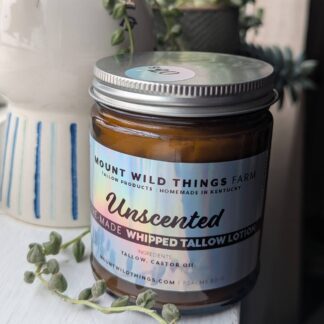
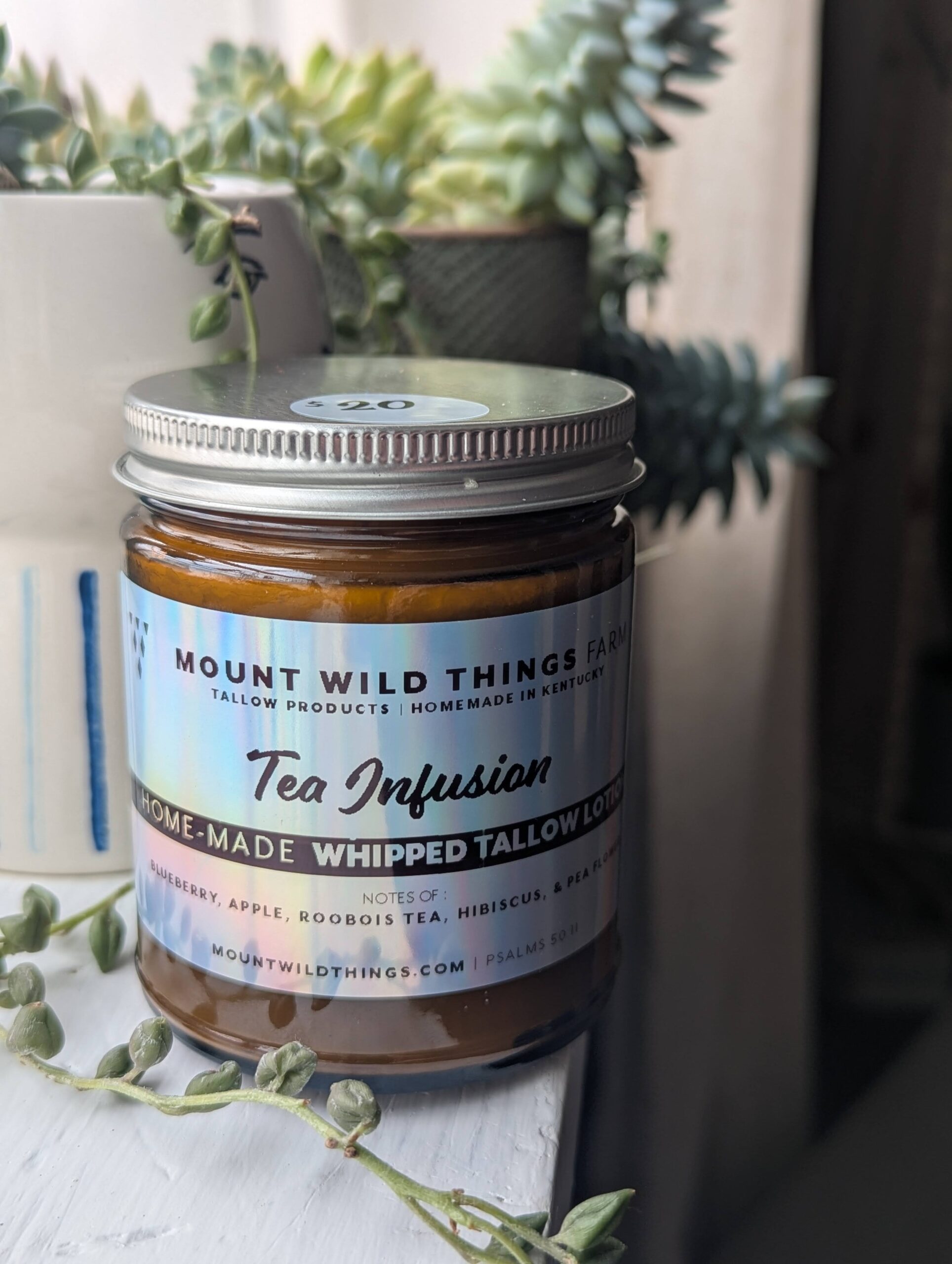
Tea Infusion Whipped Tallow Lotion Amber Glass Jar

Whipped tallow lotion is becoming more common in the natural skincare world — but most of what you’ll find is scented with essential oils or synthetic fragrance. Ours is different. The vanilla and tea infusion varieties are scented by infusing whole ingredients directly into the raw tallow before whipping. Here’s why that matters and how we do it.

Why whole ingredient infusion instead of fragrance oils

Fragrance oils — synthetic or natural — are concentrates designed to deliver scent. They do that well. But they don’t carry the other properties of the source ingredient. A vanilla fragrance oil smells like vanilla but doesn’t contain the beneficial compounds found in actual vanilla beans. A tea fragrance oil smells floral but has none of the antioxidants or skin-supporting properties of real pea flower or hibiscus.

When you infuse the whole ingredient into fat at low heat, you get the scent and everything that comes with it. It’s the same principle behind our frankincense face cream — we infuse whole resin rather than use essential oil because the full-spectrum extract is more beneficial than a distilled fraction of it.

How we make the vanilla infusion

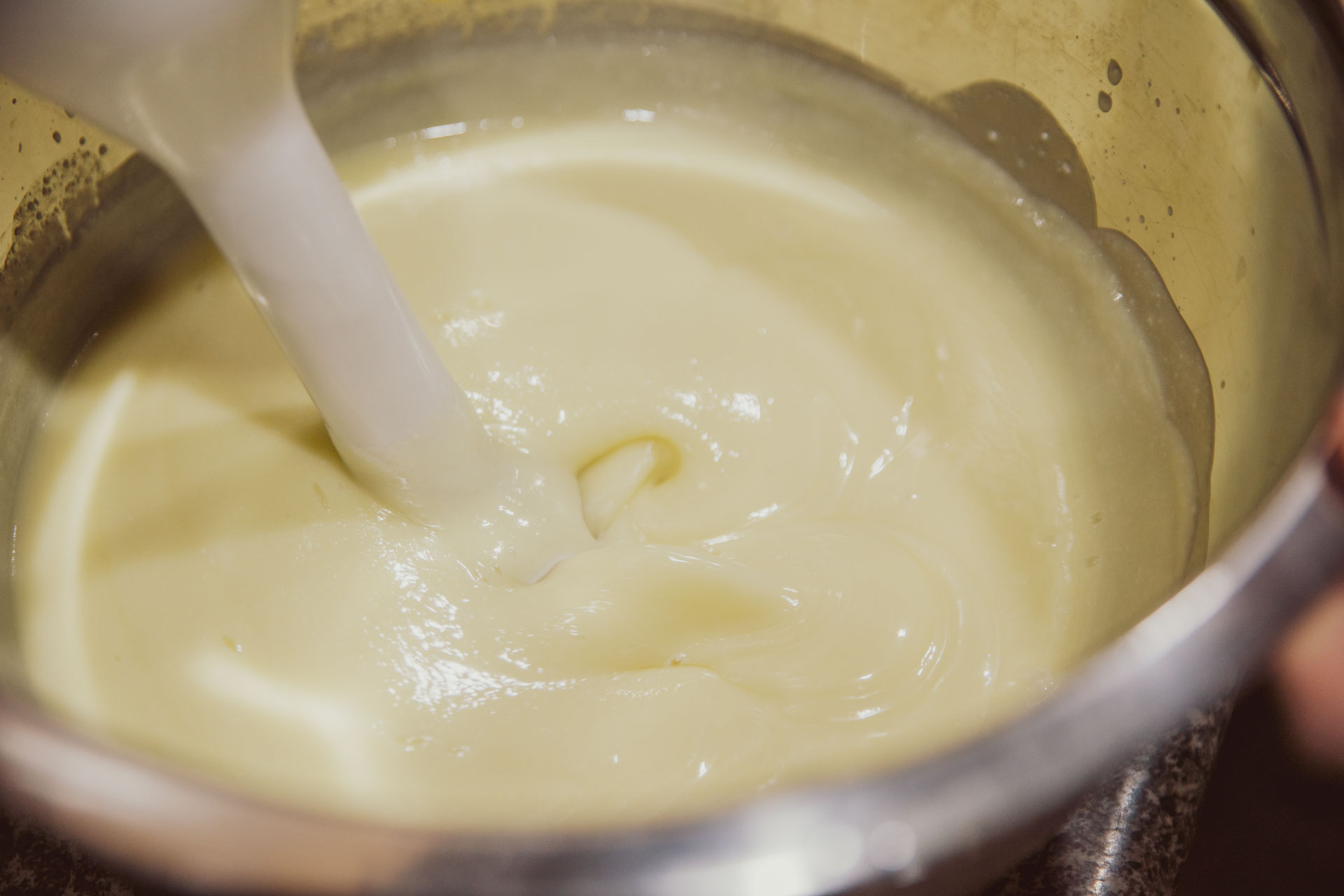
Right after rendering, while the tallow is still warm and liquid, we add whole vanilla beans and bring it to 120°F — low enough to preserve the beneficial compounds without cooking them off. We hold it there for 12 to 24 hours so the fat fully absorbs the vanilla.

Just before whipping, we split the beans and scrape the vanilla caviar — the tiny black seeds inside — directly into the tallow. This adds an extra layer of vanilla intensity and is why the vanilla lotion has small black specks throughout. Those are vanilla bean seeds. It’s the same thing you see in a high-quality vanilla ice cream, and it means you’re getting the real thing.

How we make the tea infusion

The tea infusion uses a blend of four dried ingredients: pea flower, hibiscus, blueberry, and apple. We add them to the warm tallow at 120°F and let it infuse for 12 to 24 hours before straining and whipping.

Pea flower and hibiscus are both high in antioxidants. Hibiscus in particular contains anthocyanins and vitamin C, which support collagen production and skin elasticity. The resulting scent is light and gently floral — not perfumed, just fresh. The kind of scent that comes from something real rather than something synthetic.

Why the tallow base works

Beef suet tallow has a fatty acid profile close to human sebum, which means it absorbs into skin rather than sitting on the surface. The nutrients it carries — fat-soluble vitamins A, D, E, and K — and the infused ingredients go with it. Organic castor oil in the formula supports that absorption further and helps give the whipped lotion its light, fluffy texture.

Most conventional lotions are predominantly water with emulsifiers and preservatives. They feel moisturizing temporarily but don’t nourish the skin the way a fat-based product does. Customers with sensitive skin who’ve had reactions to conventional lotions consistently tell us this formula works when others haven’t.

Three scents, two sizes

We currently offer three scents — Vanilla, Tea Infusion, and Unscented — in both a 6 oz resealable refill pouch and a 9 oz amber glass jar. The unscented version is the same tallow and castor oil formula with no infusion, which makes it ideal for sensitive skin, fragrance allergies, use on babies, or anyone who prefers a neutral moisturizer.
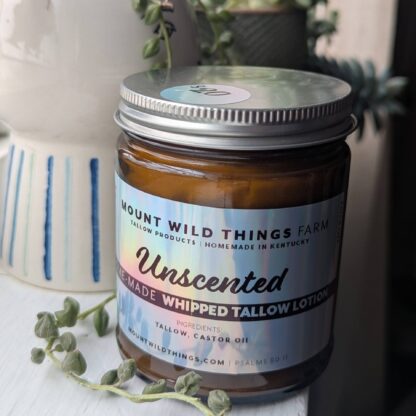
Whipped Tallow Lotion — Real Ingredient Infusions, Three Scents, Two Sizes

Price range: $15.00 through $20.00

Light, fluffy whipped tallow lotion — scented with real vanilla bean and whole-ingredient tea infusions, not fragrance oils.


Learn more about our whipped tallow lotion here.
SKU:
Category:
Posted on

Why We Use Beef Suet (Not Grass-Fed Tallow) | Mount Wild Things

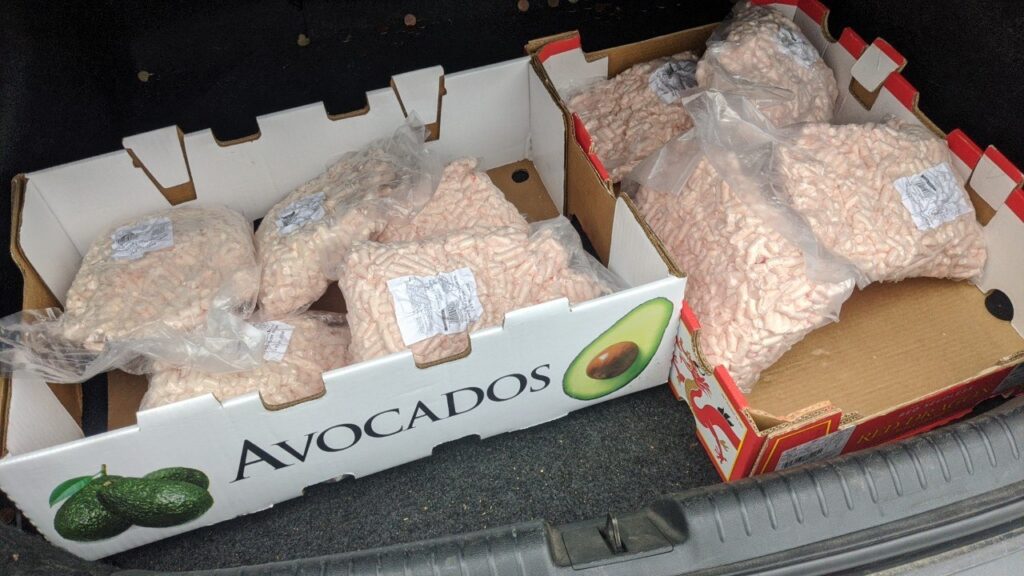
Frozen ground Beef Suet

If you’ve been searching for grass-fed tallow skincare, you’re asking the right questions — and the answer, for us, is beef suet. You care about what goes into your products, where it comes from, and whether the sourcing actually means something. We respect that — it’s exactly how we think too.

Which is why we want to tell you why we don’t necessarily care if the beef suet we use is “grass-fed.” We are more concerned which fat is being used to make the tallow, what we use instead, and why we think it matters.

What ‘grass-fed tallow’ actually means

Grass-fed is a diet claim. It tells you what the animal ate. That’s genuinely useful information — grass-fed cattle tend to produce fat with a better nutritional profile than grain-fed animals, including higher levels of fat-soluble vitamins and a healthier omega ratio.

But grass-fed doesn’t tell you which fat from the animal was rendered. And that distinction matters more than most people realize.

What makes beef suet different from tallow?

“Tallow” is a broad term for rendered beef fat. It can come from anywhere on the animal — the outer layers, the trim, the fat cap. Suet is specific: it’s the dense fat that surrounds and protects the animal’s internal organs, particularly the kidneys.

Here’s what makes suet different. An animal’s body is constantly filtering and managing what it’s exposed to — environmental toxins, metabolic byproducts, and other compounds the body wants to isolate. One of the ways it does this is by pushing those substances toward the outer fat layers, away from the vital organs. The fat closest to the organs — the suet — is the fat the body has worked hardest to keep clean.

Suet is also harder and more stable than exterior fat, with a higher concentration of the saturated fatty acids that make tallow effective as a skincare ingredient. It renders cleaner, has a more neutral smell, and produces a purer final product.

Where do we source our suet from?

We source our beef suet from Woodland Farm in Goshen, Kentucky — a 1,000-acre farm focused on sustainable agriculture. We actually started buying from here because our favorite burger place in town (Jays Burgers) has also sourced their beef suet from there as well.

Buying from a local farm means we know exactly what we’re getting and where it came from. That traceability matters to us — and we think it should matter to you.

So should you still look for grass-fed?

If you’re choosing between a generic grass-fed tallow product with no sourcing information and a conventional tallow product, grass-fed is the better choice. Diet does affect the fat’s nutritional profile.

But if you’re looking for the cleanest, most nutrient-dense fat available from a known source — suet from a local farm is the more meaningful standard. Grass-fed tells you about the animal’s diet. Suet tells you which part of the animal the fat came from. We’d rather control the latter.

What this means for our products

Every Mount Wild Things Tallow product is made with suet rendered in our own kitchen, in small batches, from a locally sourced farm. No fillers, no additives, no mystery fat from a commercial renderer. Just suet — the cleanest fat the animal produces — combined with a short list of ingredients you can actually read. If you want to know more about the Beef Tallow Lotion, check out this article.

Posted on

Beef Tallow Lotion: Health Benefits, How It Works, and Why We Make Our Own

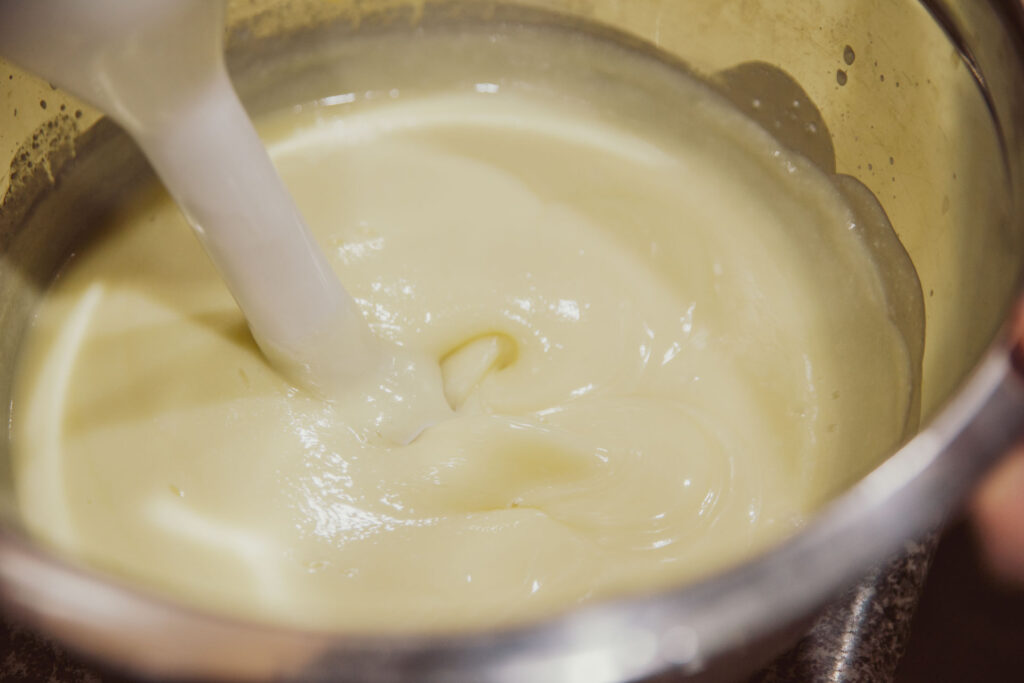
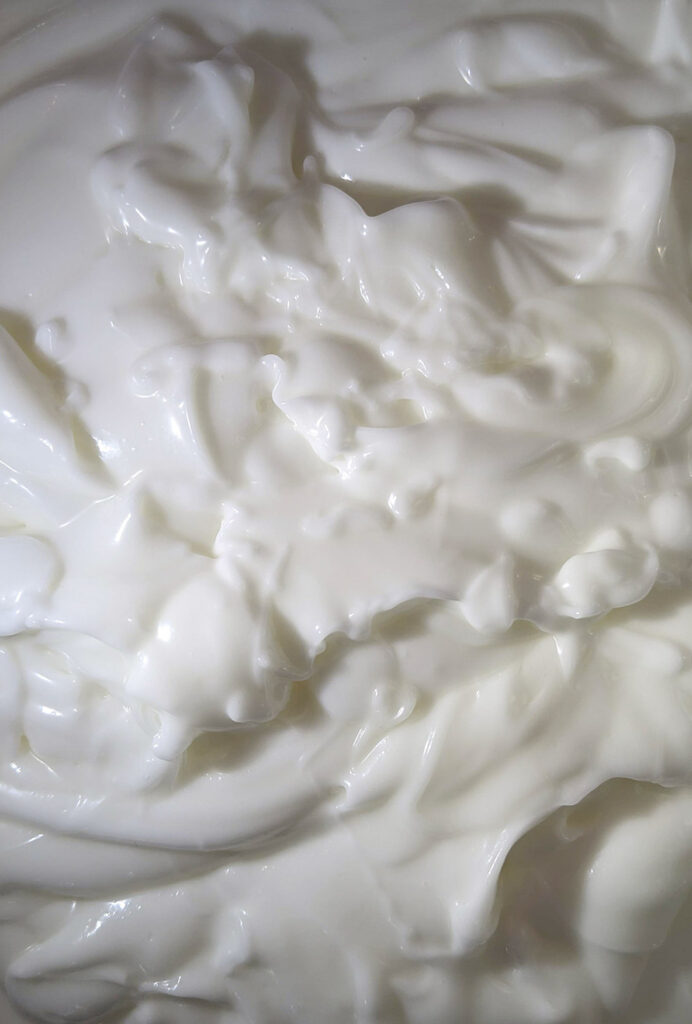
Whipped rendered beef tallow

Beef tallow lotion was not something I went looking for. I found it because I couldn’t afford the brand I wanted — $40 for a small jar was simply not in the budget for our family of eight. So I started researching. What I found was that the process wasn’t complicated, the ingredients were affordable, and the results were genuinely better than what I’d been buying.

That was the beginning of Mount Wild Things. I called a local butcher, ordered beef suet, learned to render it, and started making lotion & soaps for our family. It worked so well that friends started asking for it, and eventually we opened a small shop. This post is the long version of why I think beef tallow lotion is worth your attention — and why we still make ours from scratch, from suet we source ourselves.

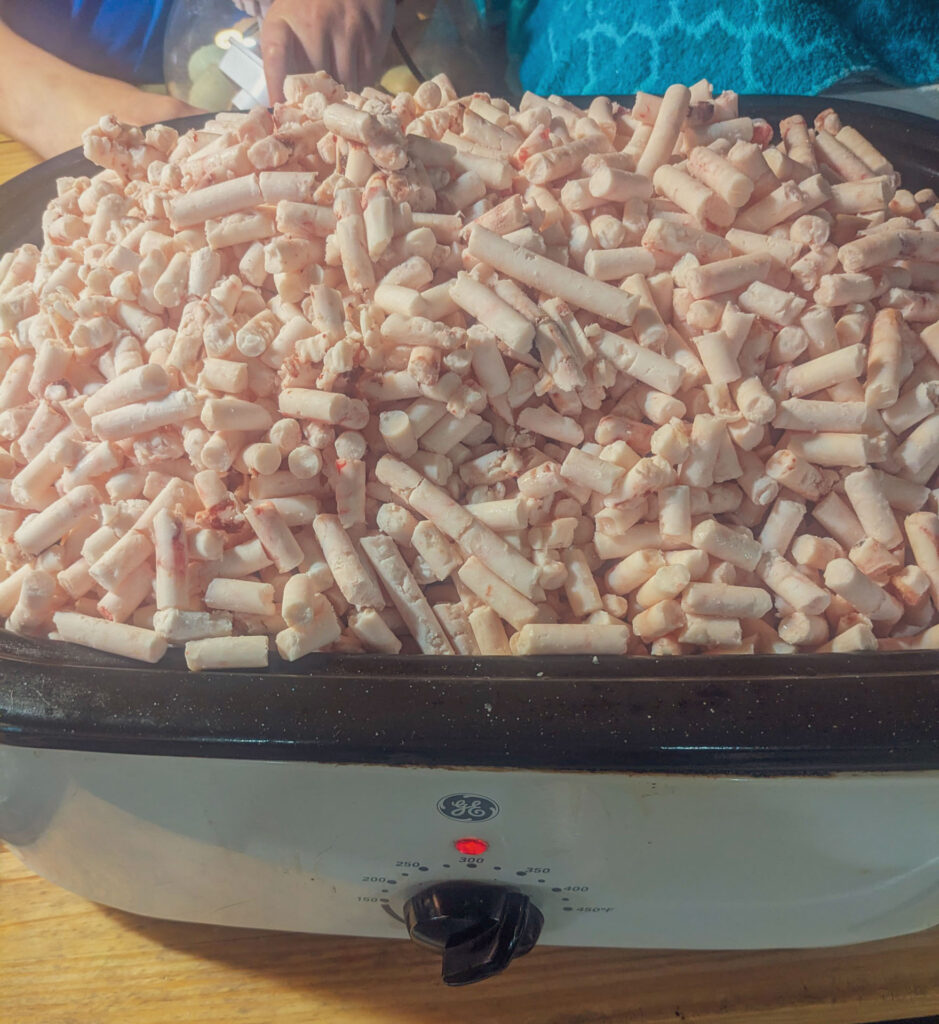
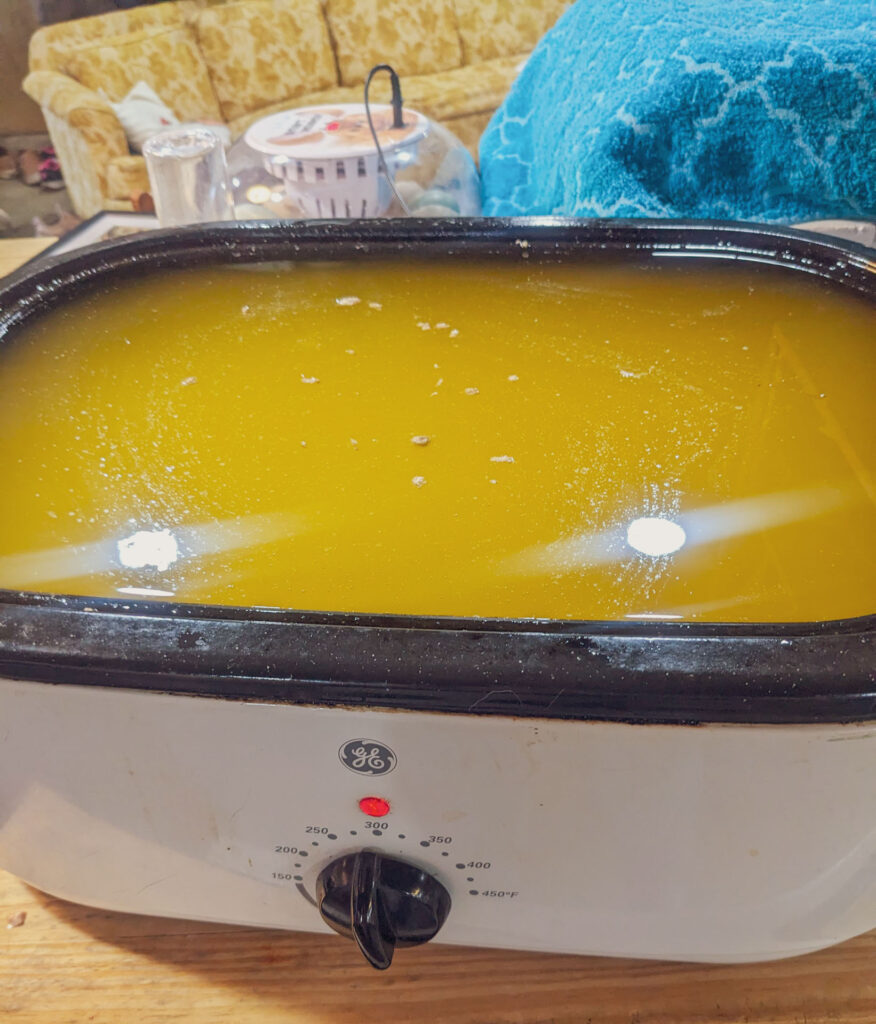
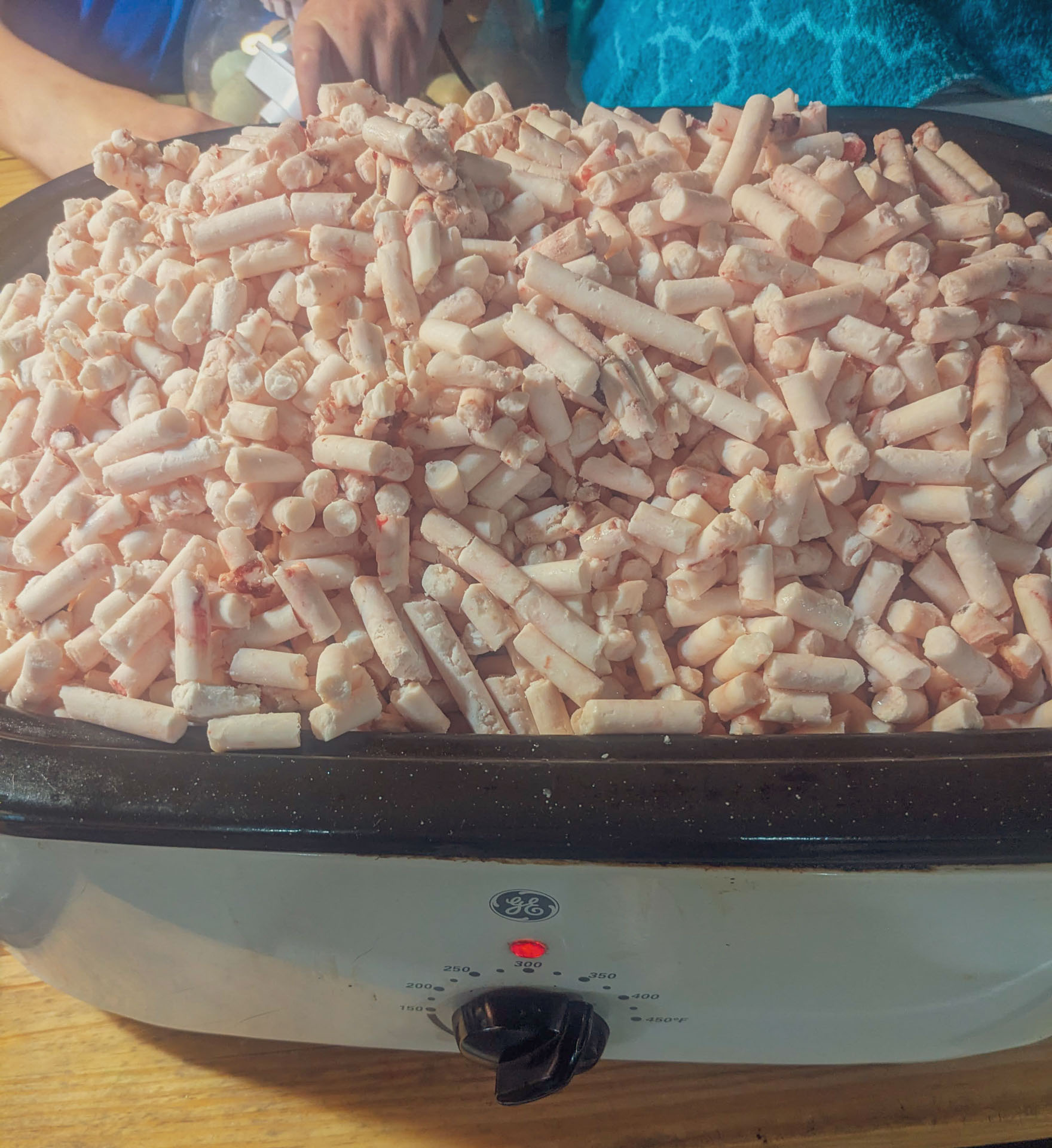
Rending beef suet into beef tallow

What beef tallow lotion actually is

Tallow is rendered animal fat — in this case, beef. But not just any fat. We use beef suet, which is the dense fat that surrounds and protects the animal’s internal organs. Suet is different from the fat trimmed off the outside of the animal. The body pushes toxins and metabolic waste toward the outer fat layers, away from the organs. Suet is the fat the body has worked hardest to keep clean — and it renders into a purer, harder, more stable fat than exterior beef fat.

Once rendered, suet becomes tallow — a clean, ivory-colored fat that’s been used in cooking and skincare for centuries. Whipped with a small amount of organic castor oil, it becomes a rich lotion that absorbs into the skin without leaving a greasy film.

Why beef tallow lotion works so well on skin

The reason beef tallow lotion performs the way it does comes down to chemistry. Tallow’s fatty acid profile is remarkably similar to the sebum our skin produces naturally. Because it’s so close in composition to our own skin oils, it absorbs well and doesn’t sit on the surface the way plant-based or synthetic moisturizers often do. Your skin recognizes it.

Beef suet is also a natural source of fat-soluble vitamins A, D, E, and K — all of which play meaningful roles in skin health. Vitamin A supports cell turnover. Vitamin D is involved in skin barrier repair. Vitamin E is a well-established antioxidant that helps protect skin from oxidative stress. Vitamin K supports healing and may help with dark spots and bruising. You don’t need to take a supplement — your skin can absorb these directly from the lotion.

Tallow also creates a light protective layer on the skin that helps lock in moisture without clogging pores. It’s anti-inflammatory, which is part of why it tends to work well for people with sensitive skin, eczema, or redness.

What the castor oil does

Organic castor oil is the other key ingredient in our lotion, and it earns its place. Castor oil is rich in ricinoleic acid, an unusual fatty acid that has strong anti-inflammatory and antimicrobial properties. It’s a humectant, which means it draws moisture toward the skin rather than just sitting on top of it.

The more important role in this formula is what it does for absorption. Castor oil helps pull the tallow — and the vitamins it carries — deeper into the skin. Without it, the tallow stays closer to the surface. With it, you get deeper hydration and better delivery of the nutrients your skin is there to receive.

Why we use suet instead of grass-fed tallow

We source our suet locally from a farm we know. We have already talked about Why We Use Beef Suet (Not Grass-Fed Tallow) — it’s the same reason we care about where our coffee grounds and other ingredients come from.

How we make it

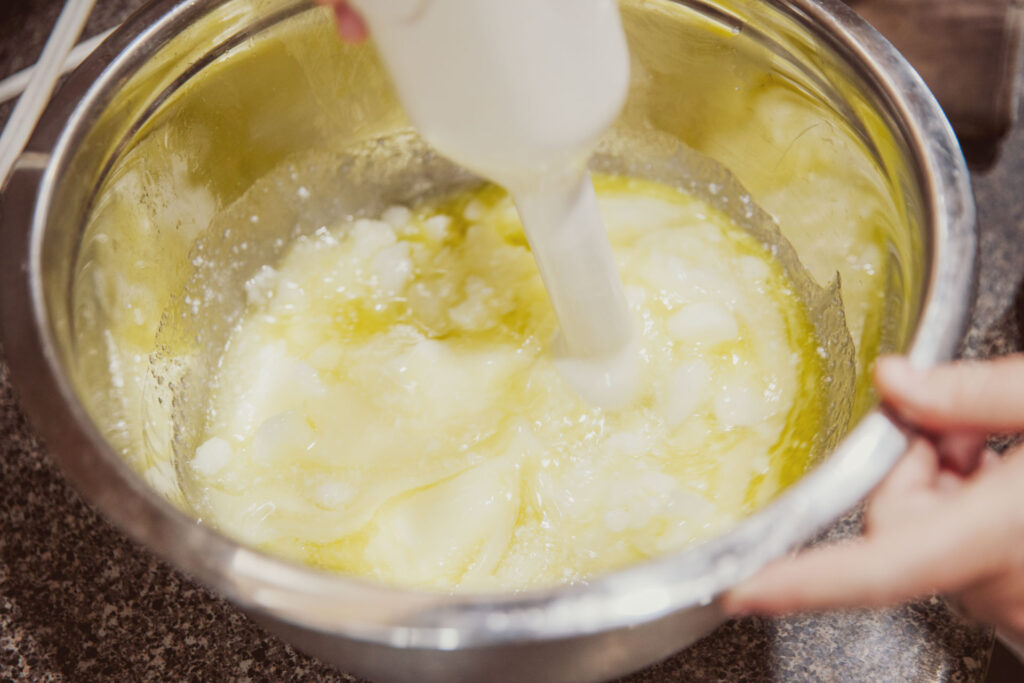
Rendering suet is a low-and-slow process. The raw suet goes into a pot at low heat for several hours until the fat liquefies and the impurities settle out. We strain it, let it cool, and are left with clean, white tallow. From there, we whip it with organic castor oil until it reaches a light, creamy texture that absorbs easily.

Each batch is small. We make it in our kitchen, the same way I made it the first time — because we know what went into it and we can stand behind every jar.

What beef tallow lotion is good for

In our experience — and from what our customers tell us — beef tallow lotion works well for dry and rough skin, eczema and sensitive skin that reacts to conventional lotions, fine lines and skin texture, cracked heels and elbows, and as an everyday face and body moisturizer. It is not pore-clogging in the way people sometimes fear animal fats to be — tallow’s compatibility with skin sebum means it tends to regulate rather than overwhelm.

It’s also what started this whole thing for me. I started making it for our family because I couldn’t afford the alternative. I kept making it because it worked better than anything I’d bought.