Posted on

Tallow Deep Hair Conditioner: How Castor Oil and Rosemary Transform Fine Hair

Deep Hair Conditioner

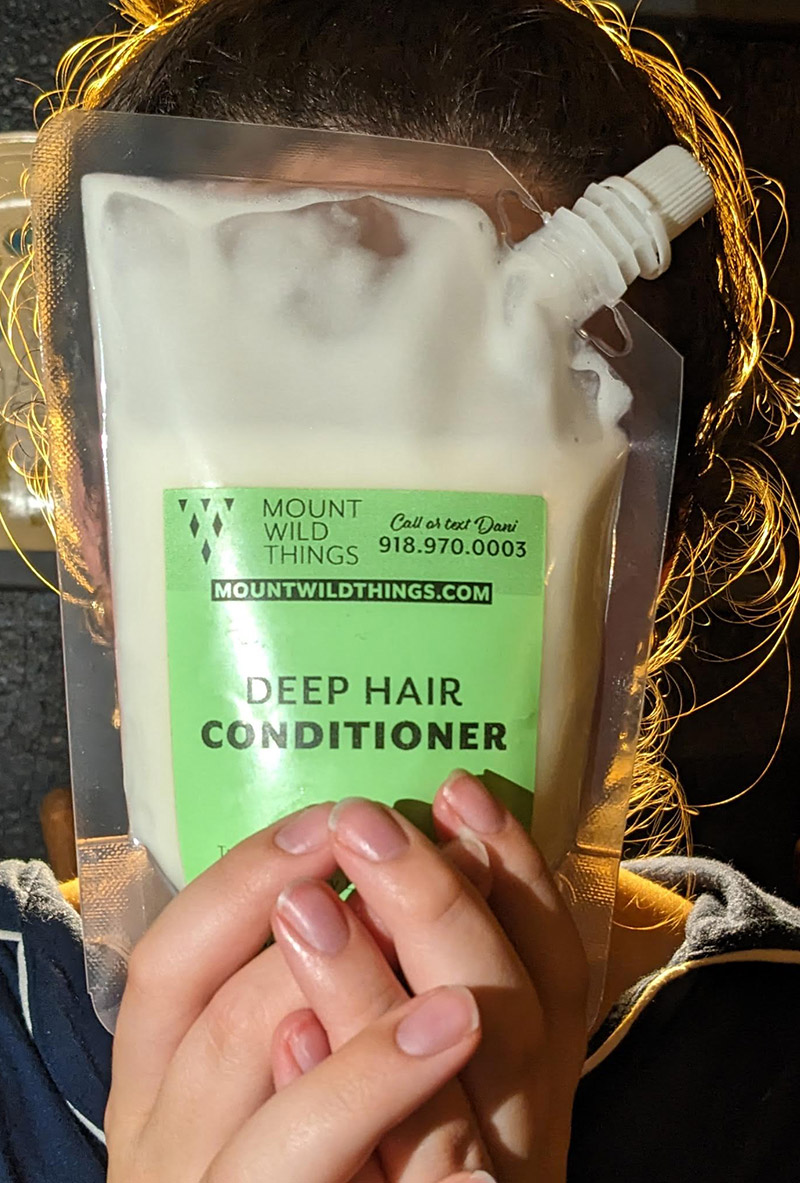
A tallow deep hair conditioner is a different category of product than a rinse-out conditioner. It’s not something you use every day — it’s a weekly or biweekly treatment that works on the hair shaft and scalp in ways that conventional conditioners don’t reach. Here’s what’s in ours, why each ingredient is there, and who it’s most useful for.

Why tallow works as a deep hair conditioner base

Tallow’s fatty acid profile is remarkably close to the skin’s natural sebum — which is also what the scalp produces to condition hair naturally. This similarity means tallow absorbs rather than just coats, which is what makes it useful as a conditioning base. Most conventional conditioners work by depositing silicones or other film-forming ingredients on the hair shaft, creating the appearance of smoothness without actually conditioning the hair itself. Tallow goes further.

Our deep conditioner is formulated with a higher castor oil ratio than our body lotions, which makes it thinner and better suited to working through hair. The texture allows it to penetrate the hair shaft and reach the scalp without feeling heavy or difficult to distribute.

What castor oil does for hair

Castor oil is one of the most studied natural oils for hair care, and for good reason. It’s rich in ricinoleic acid — an unusual fatty acid with strong anti-inflammatory properties that supports scalp health and circulation at the follicle. Improved scalp circulation is associated with healthier hair growth and reduced hair loss.

For fine or thin hair specifically, castor oil helps with flyaways and texture by smoothing the hair cuticle and adding weight without greasiness. It’s thick on its own but diluted through the tallow base it becomes workable. The conditioning effect on fine hair is noticeable — hair lies better, feels softer, and is easier to manage after a treatment.

What rosemary essential oil adds

Rosemary has become one of the more well-supported natural ingredients for hair in recent years — a study comparing rosemary oil to minoxidil for hair regrowth got a lot of attention and showed comparable results at six months. The mechanism appears to be improved circulation at the scalp and inhibition of DHT, a hormone associated with hair thinning.

Beyond hair growth, rosemary essential oil has antifungal and antibacterial properties that make it genuinely useful for scalp health. It addresses dandruff and dryness at the source rather than just managing flaking at the surface. It also strengthens the hair shaft itself, which reduces breakage over time.

How to use the tallow deep hair conditioner

This is a treatment product, not an everyday conditioner. We recommend using it once a week to once every two weeks depending on your hair’s needs.

For a full treatment, apply to both hair and scalp, working it through from root to tip. Leave it on for a minimum of 15 to 20 minutes — longer is fine if you want to. Then wash it out thoroughly. For a lighter application focused on ends and texture rather than scalp treatment, apply from mid-length to ends only and skip the scalp entirely.

A 9 oz refill pouch at that frequency lasts 3 to 4 months. Because it’s a concentrated treatment rather than a rinse-out conditioner, a little goes a long way.

Who it’s best for

This conditioner works well for fine or thin hair that’s prone to flyaways and lacks texture. It’s also well suited for dry or flaky scalps that haven’t responded to conventional dandruff shampoos. If you have thick or coarse hair, it still works but the castor oil effect is more pronounced on finer hair types where the weight and conditioning are most noticeable.
Tallow Deep Hair Conditioner — Castor Oil & Rosemary for Growth & Shine

$20.00

A weekly deep treatment for fine, dry, or flyaway-prone hair — made with castor oil and rosemary.

How Castor Oil and Rosemary Transform Fine Hair

6 in stock (can be backordered)

SKU: Tallow Deep Hair Conditioner
Category: ,
Tags:
Posted on

Honey Liquid Body Wash: Why Raw Honey Belongs in Your Cleanser

Honey Liquid Body Wash

A honey liquid body wash might sound indulgent, but honey is one of the most functional skincare ingredients you can use. It’s been used medicinally on skin for thousands of years — not because it smells nice, but because it works. Here’s what it actually does and why we built a body wash around it.

What raw honey does for skin

Raw honey is naturally antibacterial and antimicrobial. This comes primarily from hydrogen peroxide it produces when diluted with water, as well as its low pH and high sugar content — all of which create an inhospitable environment for bacteria. For skin, this means honey actively clears bacteria rather than just washing it away, which is why it’s been used on wounds, burns, and acne-prone skin for centuries.

Honey is also a humectant — it draws moisture from the environment toward the skin and holds it there. Most cleansers strip moisture as they clean. Honey does the opposite: it cleans and adds moisture at the same time. For people with dry, tight skin after washing, this is a meaningful difference.

Raw honey specifically retains more of the naturally occurring enzymes, antioxidants, and beneficial compounds that are destroyed by heat processing. We use raw honey in this formula because processed honey is a significantly diminished ingredient.

Why this honey liquid body wash works as a face wash too

Most body washes are too harsh for the face — the surfactants that create lather and cut through body oils are often stripping and irritating on more sensitive facial skin. This formula is built differently. The castile soap base is gentle, the honey conditions as it cleans, and the jojoba oil and castor oil round out the moisture without clogging pores.

Jojoba oil is technically a liquid wax with a structure similar to human sebum, which makes it one of the more skin-compatible carrier oils available. It absorbs quickly and doesn’t leave a greasy residue. Paired with organic castor oil — which draws moisture deeper into the skin — the two oils work together to keep skin conditioned throughout the wash.

The vegetable glycerin reinforces the humectant effect of the honey, pulling additional moisture toward the skin. The result is a cleanser that leaves skin feeling clean and soft rather than tight and dry.

The scent

We use orange blossom essential oil, which gives the wash a light, fresh floral scent. It’s not heavy or perfumed — just a pleasant note that works well with the natural honey smell. Whether you use it first thing in the morning or as part of a nighttime routine, it’s a genuinely nice sensory experience without being overwhelming.

How to use it

Give the jar a gentle shake before use — the ingredients can settle slightly. Pump out the amount you need directly onto a loofah, silicone scrubber, or cleansing sponge. For face use, a silicone cleansing brush or soft cleansing sponge works well and gives you a little extra exfoliation.

It comes in an 8 oz glass mason jar with a pump top for easy dispensing. If you go through it regularly, the plastic refill pouch lets you reuse your jar rather than buying a new one each time.

What’s in it

Raw honey, jojoba oil, organic castor oil, castile soap, vegetable glycerin, and orange blossom essential oil. Six ingredients, all of them purposeful. No synthetic fragrance, no sulfates, no fillers.

Honey Liquid Body Wash

$20.00

A deeply moisturizing honey liquid body wash that cleans, conditions, and works just as well on your face.

Learn more about our Honey Liquid Body Wash

6 in stock (can be backordered)

SKU: body wash
Category: ,
Tags: ,
Posted on

Natural Bug Repellent Tallow Lotion: What’s in Ours and How We Use It

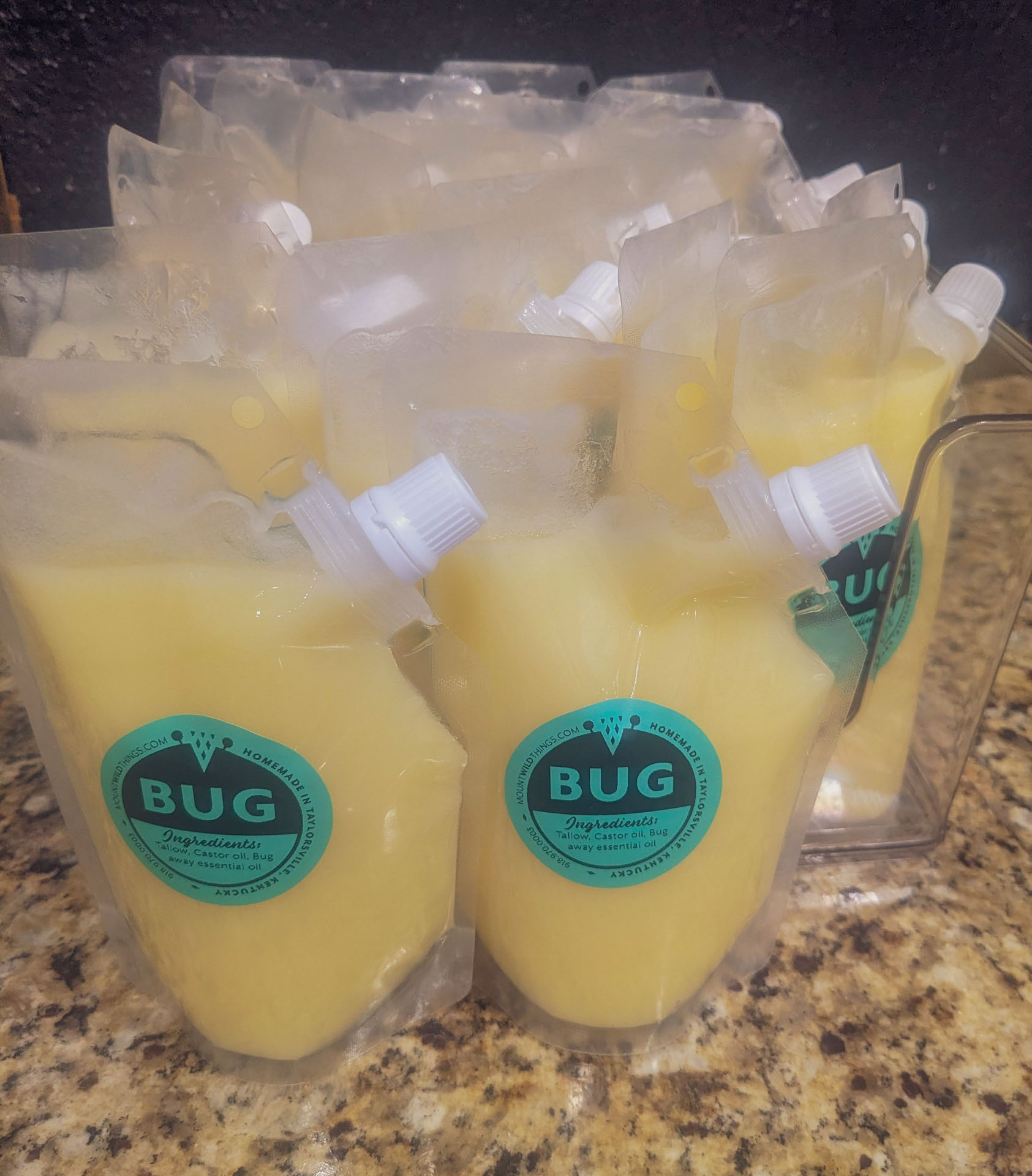
Bug Away repellent lotion

Natural bug repellent tallow lotion was something we started making out of necessity. We have six kids, we live on a farm in Kentucky, and we spend a lot of time outside from spring through fall. The conventional repellents work, but we didn’t want to put DEET on our kids every time they walked out the door. We wanted something that was genuinely effective and that we felt good about using on everyone.

After researching which essential oils have the strongest evidence for insect repelling and testing different blends over a couple of seasons, we landed on what became our Bug Away lotion. This is what’s in it, why we chose each ingredient, and what we’ve actually experienced using it.

Why tallow as the base for a natural bug repellent lotion

Most natural bug repellents are sprays or oil blends applied directly to skin. They work to varying degrees, but they tend to wear off quickly and don’t moisturize — they just sit on the surface until they evaporate or rub off.

Tallow changes that equation. Because beef suet tallow has a fatty acid profile close to human skin, it absorbs into the skin rather than sitting on top of it. When the essential oils are dispersed through the tallow, they absorb with it, which means they’re delivered into the skin rather than just coating it. This improves how long the repellent effect lasts and reduces the amount you need.

The tallow and organic castor oil base also means you’re moisturizing while you repel — not a common combination, but a useful one when you’re applying something to your kids multiple times a day in summer.

The essential oil blend — and why each one is in there

We use seven essential oils in the Bug Away blend. Each one has documented insect-repelling properties, and together they cover a broader spectrum of insects than any single oil would:

  • Tea tree:
  • Eucalyptus:
  • Lavender:
  • Rosemary:
  • Cedarwood:
  • Geranium:
  • Lemongrass:

The blend is dispersed through the tallow at a concentration that’s effective without being harsh. It won’t burn skin, and the scent is present but not overwhelming.

What we’ve actually experienced

We’ve used this through a full Kentucky summer with six kids ranging from young children to teenagers. The honest version of our experience:

For mosquitoes, it works well. One application covers about three hours of outdoor time. We reapply if we’re outside longer than that or if it’s been a heavy-activity day with a lot of sweating. Our most mosquito-prone child — the one who historically comes in covered regardless of what we try — had noticeably fewer bites last season using this consistently.

For ticks, we’ve found it helpful but we won’t overclaim. We do tick checks after every hike in the woods regardless of what repellent we’re using — that’s just good practice. What we can say is that it’s been a meaningful part of our routine and we’ve noticed a difference on wooded hikes compared to going without.

It’s gentle enough that we use it on all our kids without concern. No burning, no skin irritation, no overwhelming chemical smell. Just a light herbal scent that fades quickly after application.

How to use it

Apply to all exposed skin before going outside — legs, arms, neck, and any other areas that will be exposed. Work it in like a lotion. Reapply after about three hours, or sooner if you’ve been sweating heavily or swimming. For young children, apply it yourself rather than letting them apply it on their own.

Natural Bug Repellent Tallow Lotion — Safe for Kids, Effective on Mosquitoes

$20.00

A natural bug repellent lotion that actually works — and is gentle enough for your most mosquito-prone kid.
Read more about Natural Bug Repellent Tallow Lotion: What’s in Ours and How We Use It

18 in stock

SKU: bug-away-lotion
Category: ,
Tags: , , ,
Posted on

Charcoal Tallow Soap: Deep Cleansing for Skin, Body & Hair Buildup

Charcoal Soap

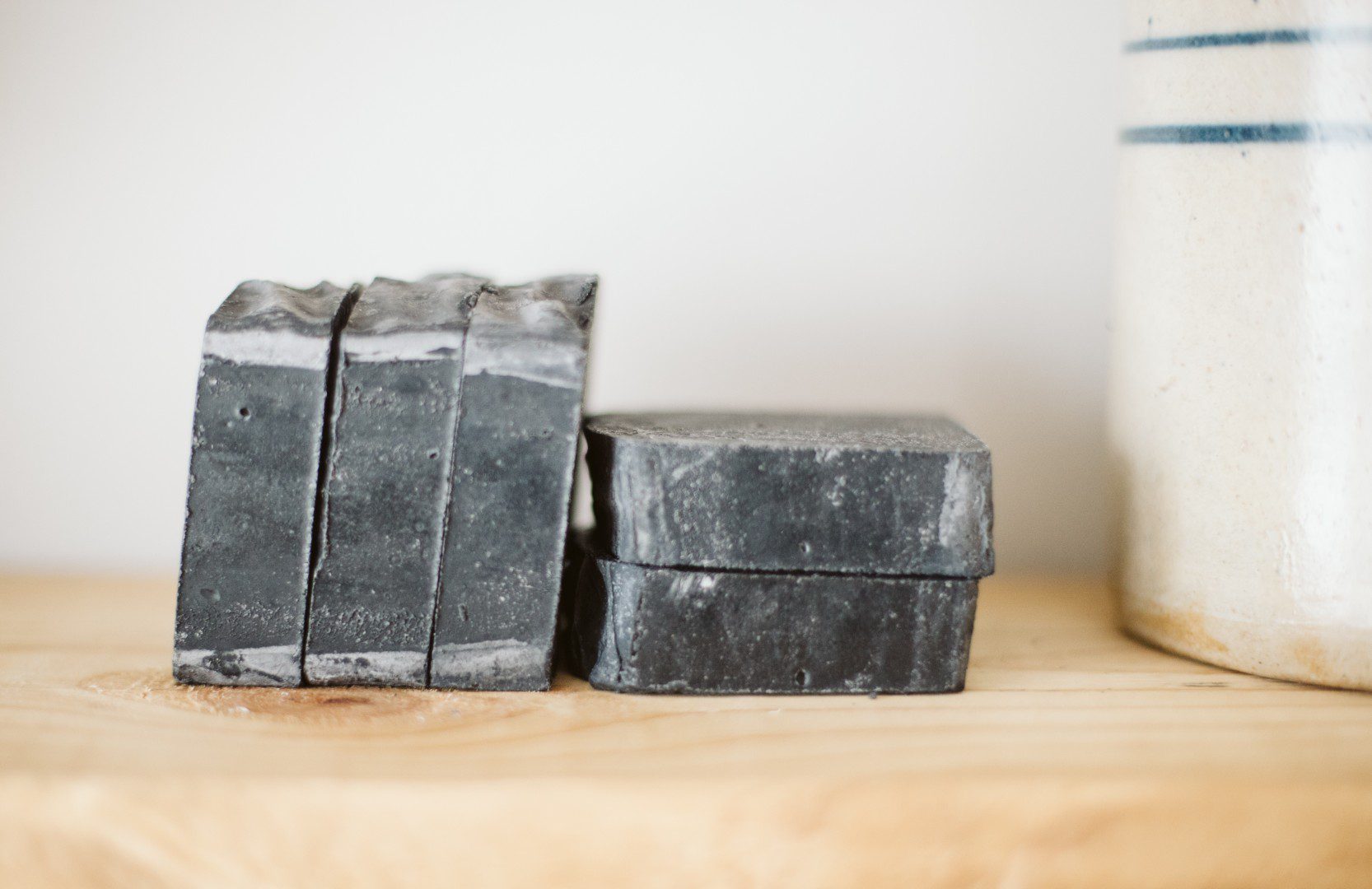
Charcoal tallow soap works differently than most charcoal skincare products — and the base is why activated charcoal has become a common skincare ingredient, and for good reason. But most charcoal products pair it with synthetic bases, detergents, or drying agents that undercut the very benefit they’re advertising. This bar does it differently — charcoal in a tallow and coconut oil base that cleans without stripping.

What activated charcoal does

Activated charcoal works through a process called adsorption — it attracts and binds to impurities, toxins, and excess oil on the surface of the skin, then carries them away when you rinse. Unlike a standard cleanser that simply washes the surface, charcoal pulls from within the pore. For congested or blemish-prone skin, this is meaningful.

It’s also antimicrobial, which helps address the bacterial component of acne without relying on harsh chemical treatments. Used consistently, it can help keep pores clearer and reduce the frequency of breakouts.

Why tallow is the right base

The problem with most charcoal skincare products is the base. Foaming face washes and body washes are typically built on sulfates and synthetic detergents that strip the skin’s natural oils along with the impurities. You get the deep clean, but you also get the tight, dry feeling afterward.

Tallow has a fatty acid profile close to human skin, which means it nourishes as it cleans. The charcoal draws out what shouldn’t be there; the tallow replenishes what should. Coconut oil adds lather and a deeper cleansing action. The result is a bar that’s genuinely effective without leaving your skin feeling like it’s been punished.

The shampoo bar use case

This is the use that surprises most people. I use the charcoal bar periodically as a deep-cleaning shampoo — not every wash, but when I want to reset my hair and strip out product buildup.

Most shampoos, even natural ones, leave some residue behind over time. Silicones, conditioners, and styling products layer up on the hair shaft and scalp. A charcoal wash cuts through all of it — it pulls the buildup out the same way it pulls impurities from skin. After a charcoal wash, hair feels genuinely clean in a way that regular shampoo stops delivering after a few weeks of use.

I wouldn’t use it every day — it’s too cleansing for that. But once a week or every couple of weeks as a reset, it makes a noticeable difference.

How it’s made

Every bar is handcrafted on the farm using a lye-based cold process. All of our bars are cured for a minimum of eight weeks — most cure considerably longer. Curing lets the remaining water evaporate and the bar harden and mellow. A well-cured bar is milder, longer lasting, and better in every way than a bar that was rushed.

Every batch is lye-tested before it leaves the farm. Properly made soap contains no residual lye — the saponification process converts it entirely into soap and glycerin. We test anyway, because we’d rather be certain.

Charcoal Tallow Bar Soap

$7.00

Handmade charcoal tallow bar soap that draws out impurities, clears blemishes, and deep cleans hair. Lye-tested, cured 8+ weeks. Made on the farm in Kentucky.

10 in stock

Posted on

Jay’s Burgers: Best tallow fries in Louisville

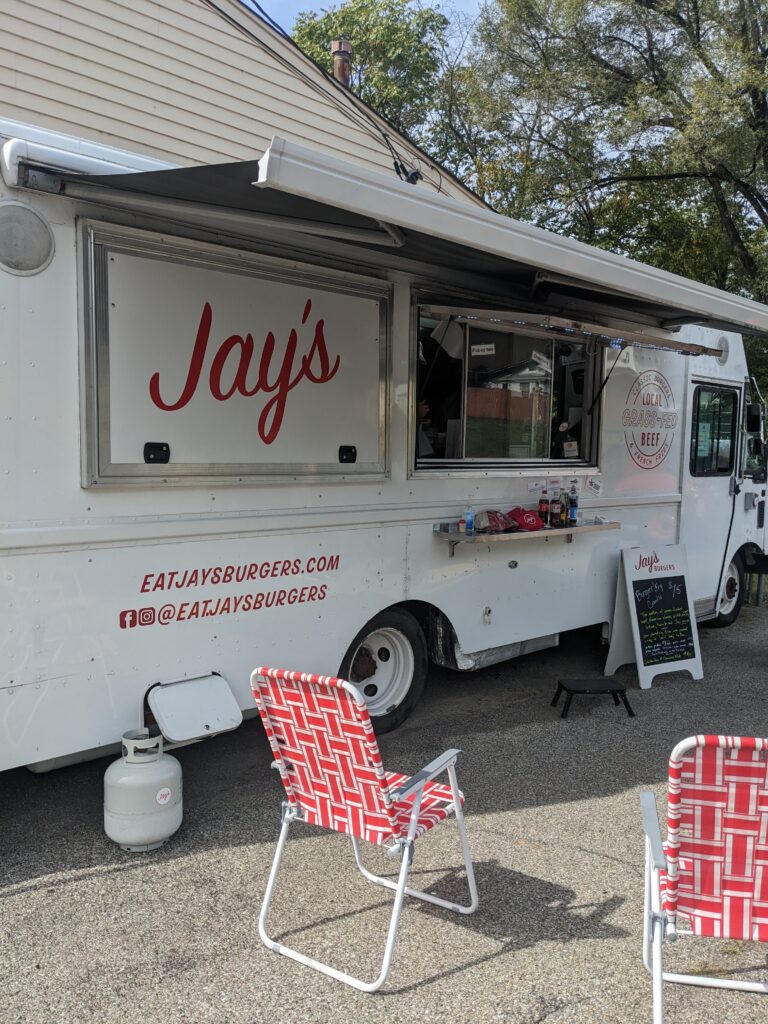
We don’t (yet) write a lot of restaurant recommendations on this blog. But Jay’s Burgers isn’t really a restaurant recommendation — it’s a small piece of a bigger story about why sourcing matters, and what it looks like when two small operations in Kentucky take it seriously.

What Jay’s is

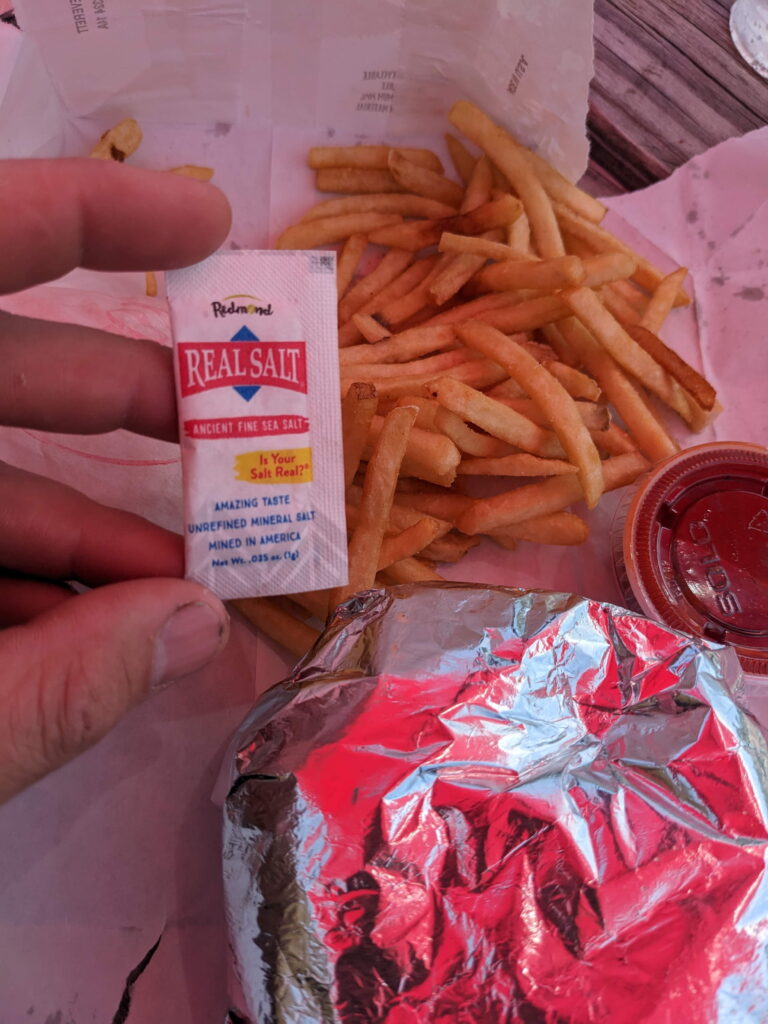
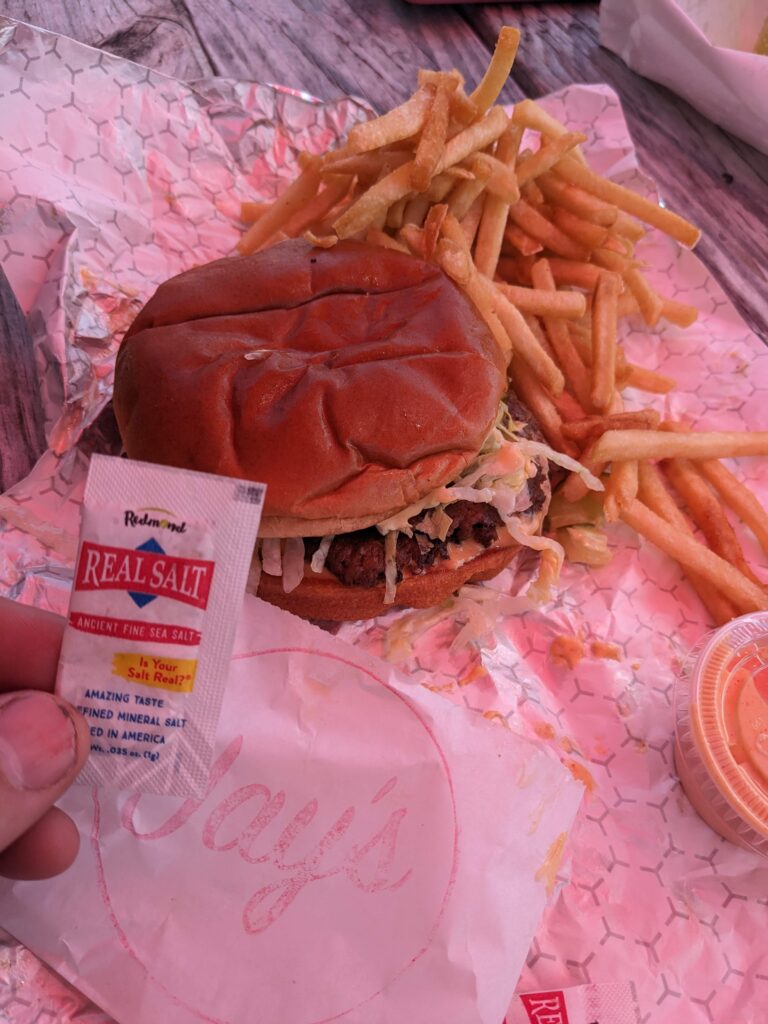
Jay’s Burgers is a food truck based in Louisville, Kentucky, parked at 1241 East Oak Street on Mondays, Wednesdays, and Fridays from 11am to 3pm. The menu is short and deliberate: a smash burger made with two patties of grass-fed and finished beef, American cheese, lettuce, tomato, sweet onion, pickles, and Jay’s sauce. And shoestring fries cooked crisp in local beef tallow.

That last detail is the one that matters to us.

Why tallow fries are different

Beef tallow was the standard cooking fat for french fries in America for most of the 20th century. McDonald’s used it until 1990. The reason tallow-fried food tastes the way it does isn’t nostalgia — it’s chemistry. Tallow is a stable saturated fat with a high smoke point, which means it doesn’t oxidize and break down the way vegetable oils do at frying temperatures. The result is a fry that’s crisp, clean, and genuinely flavorful without the off-notes that come from degraded seed oils.

Most restaurants switched to vegetable oil in the 1990s under pressure from health advocacy groups pushing the idea that saturated fat was the problem. That narrative has since been significantly revised. Tallow is making a quiet comeback among people who care about what their food is actually cooked in.

The sourcing connection

Jay is a friend of ours — we go to church together. We’ve bought suet from the same sources: Woodland Farm/KY Bison in Goshen, Kentucky, and Boone’s Butcher Shop in Bardstown. We’ve bought together on the same run.

That’s not a coincidence. It’s what it looks like when two small operations — one cooking food, one making skincare — both decide that knowing exactly where your fat comes from is worth the extra effort.

The suet we render for our tallow skincare and the tallow Jay fries in come from the same Kentucky farms. One ends up on your skin. The other ends up on your plate. Both start with an animal raised well, and fat sourced with intention.

Go find the truck

If you’re in Louisville and you haven’t been to Jay’s, go. Monday, Wednesday, or Friday, 11am to 3pm, 1241 East Oak Street. Get the burger. Get the fries. You’ll understand why we wanted to write about it.

eatjaysburgers.com | on Facebook | on Instagram