
If you’ve been searching for grass-fed tallow skincare, you’re asking the right questions. You care about what goes into your products, where it comes from, and whether the sourcing actually means something. We respect that — it’s exactly how we think too.
Which is why we want to tell you why we don’t necessarily care if the beef suet we use is “grass-fed.” We are more concerned which fat is being used to make the tallow, what we use instead, and why we think it matters.
What ‘grass-fed tallow’ actually means
Grass-fed is a diet claim. It tells you what the animal ate. That’s genuinely useful information — grass-fed cattle tend to produce fat with a better nutritional profile than grain-fed animals, including higher levels of fat-soluble vitamins and a healthier omega ratio.
But grass-fed doesn’t tell you which fat from the animal was rendered. And that distinction matters more than most people realize.
What’s the difference between tallow and suet?
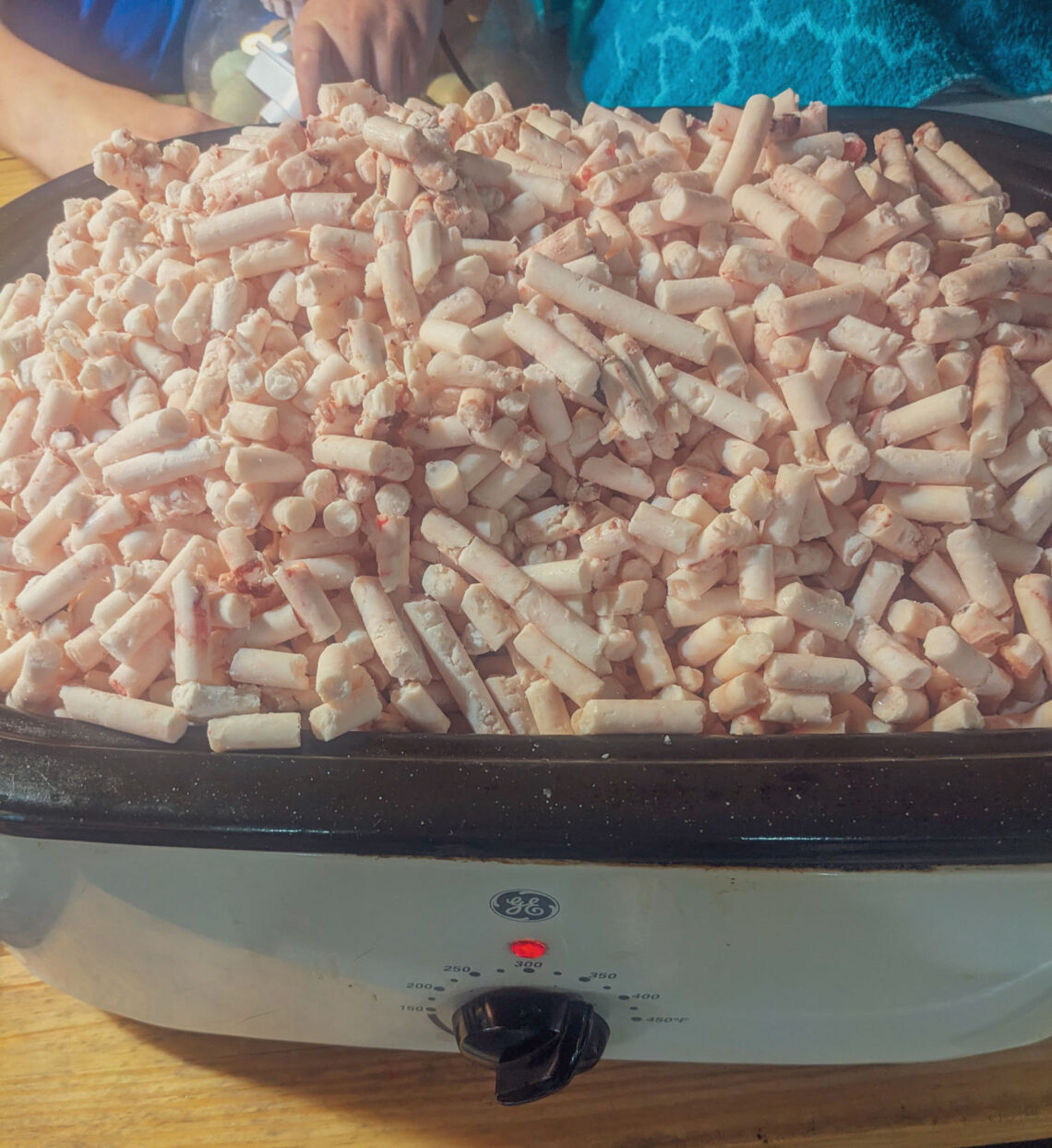
“Tallow” is a broad term for rendered beef fat. It can come from anywhere on the animal — the outer layers, the trim, the fat cap. Suet is specific: it’s the dense fat that surrounds and protects the animal’s internal organs, particularly the kidneys.
Here’s what makes suet different. An animal’s body is constantly filtering and managing what it’s exposed to — environmental toxins, metabolic byproducts, and other compounds the body wants to isolate. One of the ways it does this is by pushing those substances toward the outer fat layers, away from the vital organs. The fat closest to the organs — the suet — is the fat the body has worked hardest to keep clean.
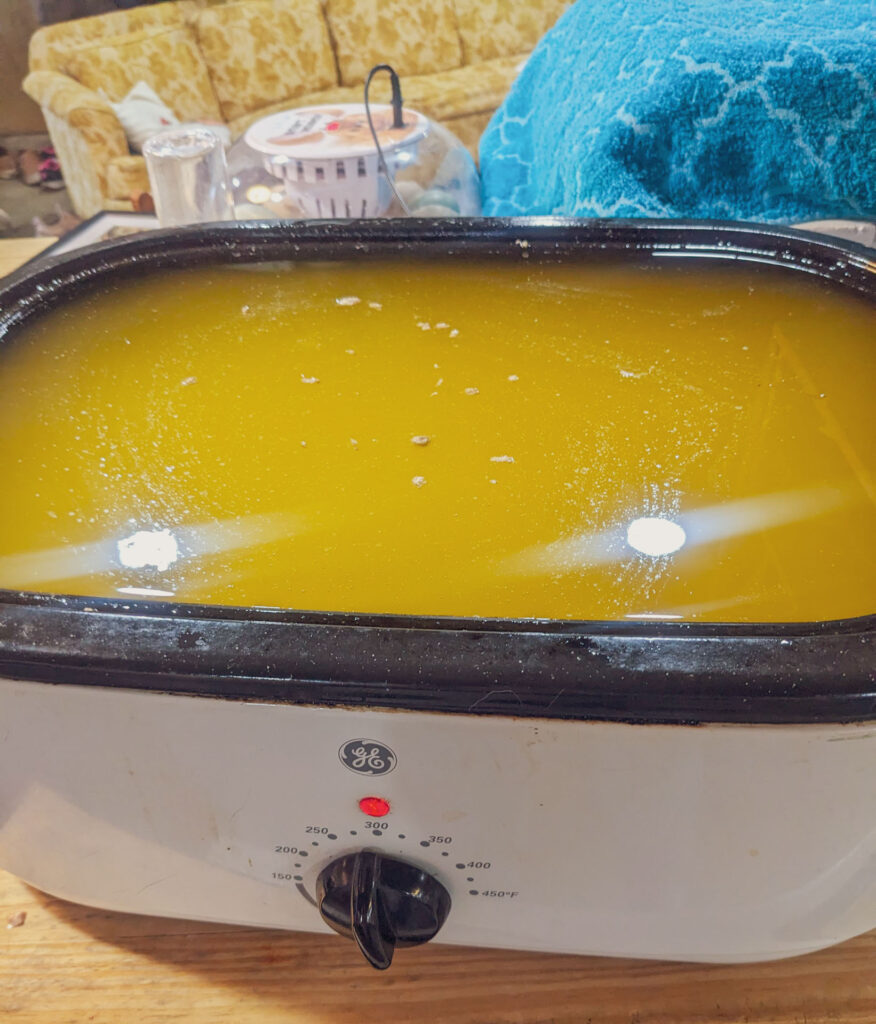
Suet is also harder and more stable than exterior fat, with a higher concentration of the saturated fatty acids that make tallow effective as a skincare ingredient. It renders cleaner, has a more neutral smell, and produces a purer final product.
Where do we source our suet from?
We source our beef suet from Woodland Farm in Goshen, Kentucky — a 1,000-acre farm focused on sustainable agriculture. We actually started buying from here because our favorite burger place in town (Jays Burgers) has also sourced their beef suet from there as well.
Buying from a local farm means we know exactly what we’re getting and where it came from. That traceability matters to us — and we think it should matter to you.
So should you still look for grass-fed?
If you’re choosing between a generic grass-fed tallow product with no sourcing information and a conventional tallow product, grass-fed is the better choice. Diet does affect the fat’s nutritional profile.
But if you’re looking for the cleanest, most nutrient-dense fat available from a known source — suet from a local farm is the more meaningful standard. Grass-fed tells you about the animal’s diet. Suet tells you which part of the animal the fat came from. We’d rather control the latter.
What this means for our products
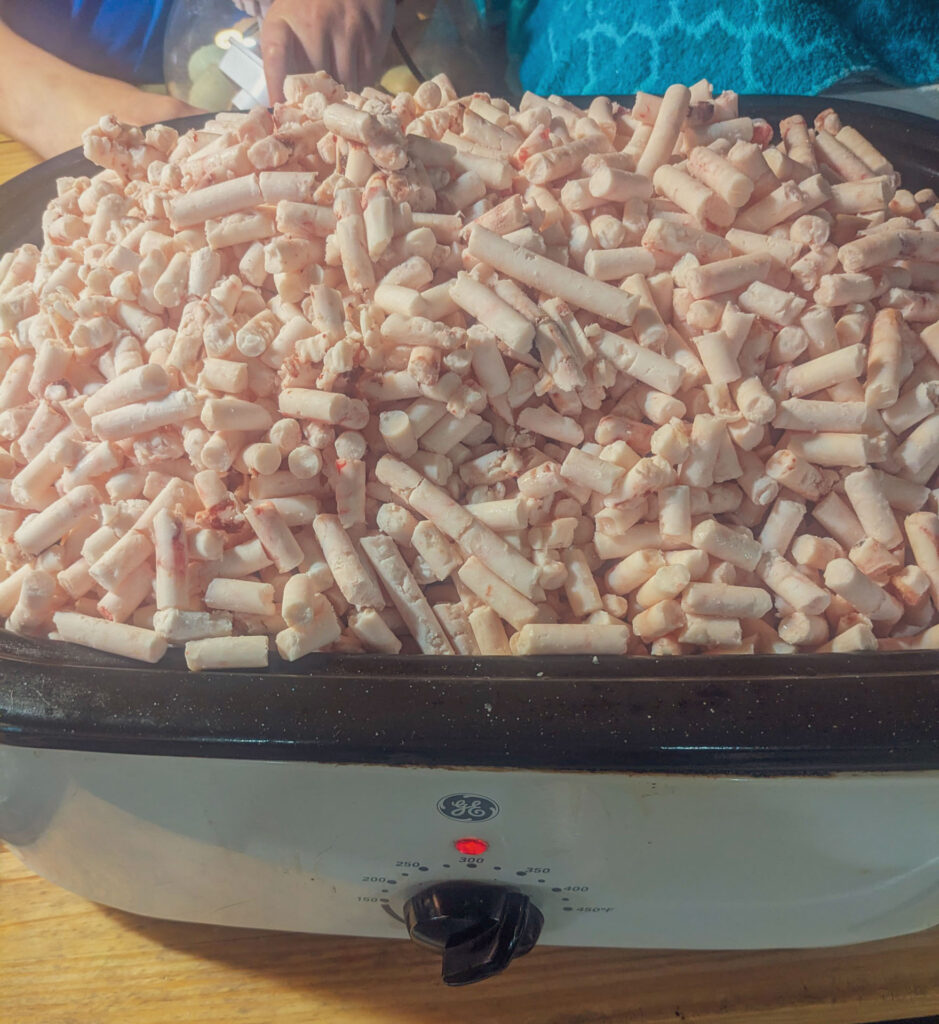
Every Mount Wild Things product is made with suet rendered in our own kitchen, in small batches, from a locally sourced farm. No fillers, no additives, no mystery fat from a commercial renderer. Just suet — the cleanest fat the animal produces — combined with a short list of ingredients you can actually read.